Table of contents
The rise of unrestricted artificial intelligence access is reshaping the boundaries of digital creativity in ways previously unimaginable. Unlocking new tools and expanding opportunities for creators, this shift invites questions about what it means to innovate and express oneself in the digital era. Explore how this evolving landscape challenges conventional workflows, redefines collaboration, and sets the stage for the next wave of creative breakthroughs.
Redefining creative workflows
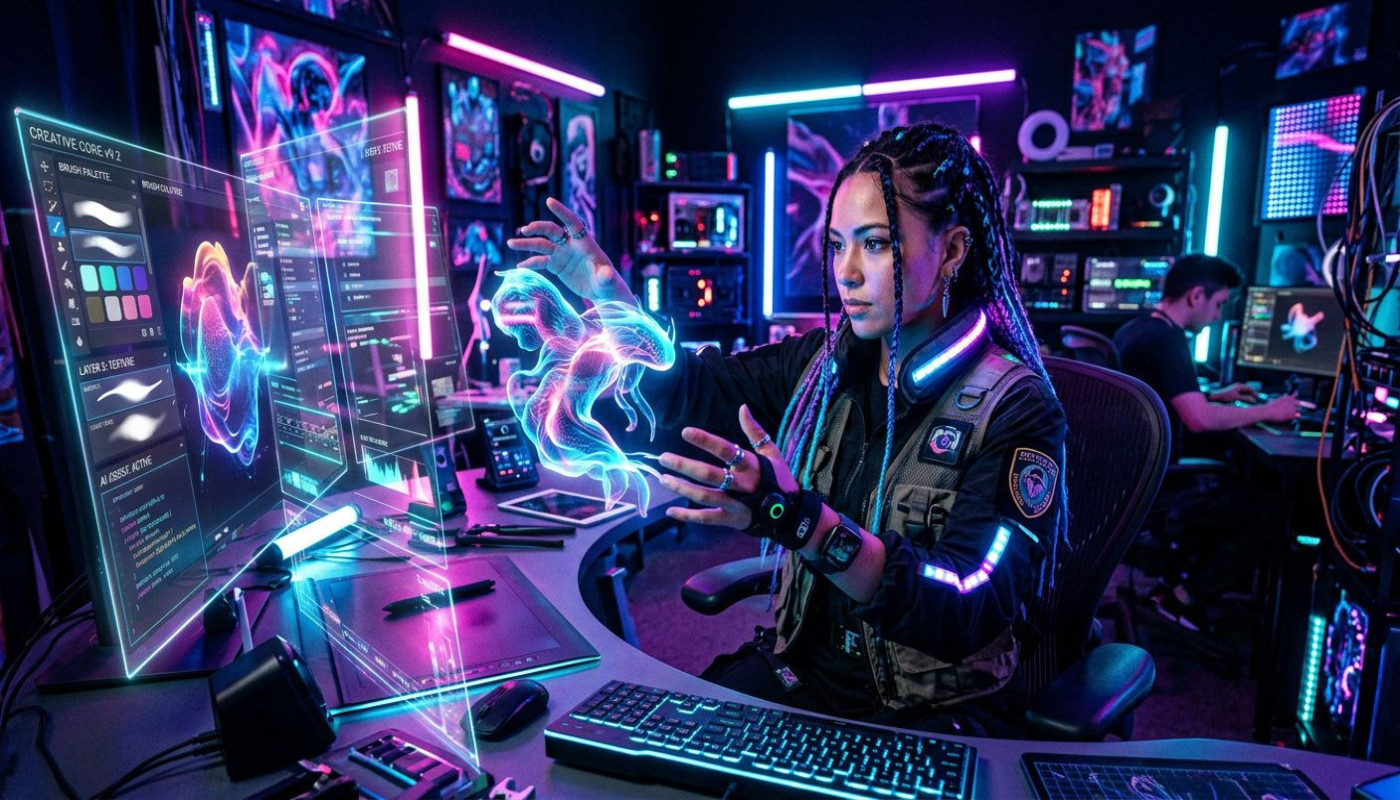
Unlimited AI access is fundamentally altering the landscape of digital creativity by revolutionizing traditional creative processes. With the integration of AI-powered tools and algorithmic automation, digital creators now experience a creative process that is more streamlined and adaptive. Generative design and real-time feedback mechanisms enable teams to iterate rapidly, testing multiple concepts and variants in moments that once took hours or days. Workflow optimization is achieved as repetitive or labor-intensive tasks are automatically managed, freeing creative professionals to dedicate energy to ideation, narrative development, and pushing the boundaries of originality. This dynamic transformation empowers creators to harness data-driven insights and sophisticated generative algorithms, making digital content creation not only more efficient but also more innovative and responsive to evolving trends.
Expanding creative collaboration
Unrestricted AI access fundamentally reshapes the landscape of collaborative design by integrating advanced multi-agent systems that support seamless AI collaboration between human creators and intelligent digital partners. This transformation allows teams distributed across the globe to engage in real-time remote creation, eliminating traditional language and technical barriers. With AI-driven translation and context-aware suggestions, collaborative projects benefit from enhanced creative synergy, where diverse skill sets and cultural perspectives merge smoothly. This digital teamwork not only accelerates ideation but also fosters cross-disciplinary innovation, as AI tools can instantly provide insights from varied fields, ensuring that every participant contributes effectively regardless of their background. The ability to dynamically co-create with sophisticated AI agents, combined with global human input, leads to richer outcomes and continuous evolution of collaborative methodologies in the digital realm.
Democratizing artistic expression
Unlimited AI access has significantly accelerated creative democratization by offering accessible design platforms and AI art tools to individuals from all backgrounds. Sophisticated technologies that once required technical expertise or substantial investment are now available to anyone with internet connectivity, substantially reducing entry barriers for aspiring artists and designers. Through computational creativity, these tools enable people to experiment, learn, and refine their skills regardless of their educational or professional background. This wave of digital equity generates a more varied and vibrant creative ecosystem, where voices and visions from underrepresented communities can flourish and redefine artistic norms. With AI art tools, users not only express themselves more freely but also collaborate in new ways, harnessing diversity in creativity to challenge traditional hierarchies in the digital arts world.
The implications of accessible design and the increased reach of computational creativity span far beyond the art community. As more individuals gain access to advanced creative resources, skill development becomes less dependent on formal education or costly materials, fostering inclusivity and innovation. Platforms dedicated to promoting digital equity—such as their explanation—demonstrate how a commitment to accessibility and diversity can transform creative industries, empower marginalized voices, and enrich cultural expression on a global scale.
Balancing originality with AI influence
With the surge in AI-generated content, the landscape of digital creativity faces a dynamic tension between upholding creative authenticity and embracing the efficiency and innovation AI tools provide. Originality in art is increasingly scrutinized as generative algorithms can mimic styles, techniques, and even signature nuances of established artists, raising complex questions about creative ownership and the concept of creative provenance. Many artists and digital creators are now navigating how to integrate AI as a collaborative tool while maintaining distinctiveness and ethical creation standards. Strategies include curating datasets to align with personal vision, combining AI output with manual refinement, and clearly disclosing AI involvement to assert transparency and protect creative authenticity. These approaches not only foster unique artistic outcomes but also address broader debates around authorship, ensuring the value of human ingenuity remains at the forefront of digital evolution.
Forecasting the future of digital creativity
Unlimited AI access is set to redefine the future of creativity by fostering rapid digital evolution and inspiring next-gen creators to explore uncharted territories. As predictive modeling becomes more sophisticated, creative innovation will thrive in environments where algorithms can anticipate trends, streamline workflows, and generate novel concepts across visual arts, music, writing, and multimedia. This transformation paves the way for new genres previously unimaginable, blending human intuition with machine precision, and allowing for interactive, personalized audience experiences. AI trends indicate that as tools become more accessible, the barrier to entry for digital creation lowers, which could democratize the creative process and diversify the voices and styles influencing mainstream content.
In the face of this accelerated change, adaptability emerges as the linchpin for creators aiming to remain relevant. Next-gen creators must cultivate a strong understanding of both technological advancements and cultural shifts to leverage AI's full potential. Developing skills in AI collaboration, ethical decision-making, and digital literacy will empower artists to harness the benefits of predictive modeling and other advanced technologies. By staying informed and embracing ongoing learning, creators will be positioned to both lead and respond to the ever-evolving landscape of creative industries, ensuring that digital innovation remains dynamic and inclusive as AI continues to shape new horizons.
Similar articles

Exploring The Impact Of AI Chatbot Technologies On Customer Service Efficiency

How Multi-site Platforms Enhance Global Brand Consistency

How An Integrated Social Media Management Platform Boosts Productivity
Exploring The Future Of Customer Interactions With AI-powered Virtual Assistants

How Detecting Website Themes Enhances Web Development Efficiency

How A Free Email Verification Tool Enhances Your Marketing Efficiency

Exploring The Benefits Of Multi-channel Chatbots For Diverse Industries

How AI Image Generators Are Revolutionizing Brand Visuals And Marketing
